Area Rugs vs. Wall-to-Wall Carpet: Which Is Better for a Small Home?
Small homes ask you to decide twice: once for how a choice looks, and once for how much space it quietly takes up. Flooring is a good example. Area rugs and wall-to-wall carpet both soften a room, deaden noise, and warm bare feet, but they behave very differently when you have 600 or 700 square feet to work with. One is a commitment fixed to the floor; the other is a piece of furniture you can roll up and move. In a studio or one-bedroom, that difference shapes everything from your budget to your cleaning routine to how often you rearrange the furniture. Here is how they compare where it counts.
Cost: What You Actually Pay For
Wall-to-wall carpet is priced by the square foot, and the number on a sample tag is rarely the number you pay. Padding, installation, tack strips, and stairs all add up, and many installers charge a minimum for small jobs — a minimum that stings most in a compact home, where a single bedroom may not reach the threshold. Tearing out old carpet is often a separate line item.
An area rug has a simpler price, with two hidden costs. A quality rug pad is not optional: it stops sliding, adds cushioning, and can meaningfully extend the rug's life. Professional cleaning is worth budgeting for if you buy wool or a delicate weave. But a rug's real advantage in a small space is replaceability. If a 5x8 wears out or falls out of style, you replace one item, not an entire floor.
If money is tight right now, rugs let you buy what you need today and add later. Carpet is usually all or nothing.
Run the numbers for a typical 10-by-12 bedroom. A mid-range 8-by-10 rug plus a decent pad might cost $300 to $800, and you can carry it to your next place. The same room in installed carpet could run $700 to $1,500 once padding, labor, and old-carpet removal are included. That is not a small gap in a small home, especially if you are still deciding whether this is your forever floor.
Maintenance and Cleaning Realities
The two options pull furthest apart here.
Carpet needs vacuuming at least weekly, more with pets or kids, plus a professional deep clean every year or so. Spills are the real problem. Liquid soaks through the fibers into the padding, where surface cleaning cannot reach it. In a small room, carpet covers nearly every square inch of floor, so one stain sits in the middle of the view.
Rugs are more forgiving because they are small enough to handle. Most can be shaken out, vacuumed, spot-treated, rotated, and, depending on material, washed. Some flatweaves and cotton rugs are machine washable, which is a gift with toddlers or an older dog in the house. Rotation matters more than people expect: turn a rug every few months so traffic paths and sun fading stay even.
A spot-cleaning routine that works on either surface:
- Blot, don't rub, with a clean white cloth.
- Work from the outside of the stain inward so you don't spread it.
- Use the smallest amount of cleaning solution you can, and test it on a hidden corner first.
- Press down to lift moisture, then let air circulate around the spot.
- Call a professional for anything that soaked into padding or sat overnight.
One more difference: carpet hides dust between deep cleans, while a rug tells you when it is dirty because you can take it outside and see what falls out. That feedback is annoying, but it keeps you honest.
Comfort, Warmth, and Air Quality
Wall-to-wall wins on barefoot comfort. Every step is cushioned, the floor is warm in winter, and sound softens across the whole room instead of one rectangle. With a toddler learning to walk, carpet is hard to beat.
An area rug gives you that softness only where it sits. Step off its edge onto tile and your feet will know. On the other hand, hard flooring with a washable rug is generally easier to keep dust-free, which many allergy sufferers prefer; carpet traps dust, dander, and pollen in its fibers and releases some of it when it is walked on. If someone in the house has asthma or significant allergies, ask their doctor what suits them before you commit.
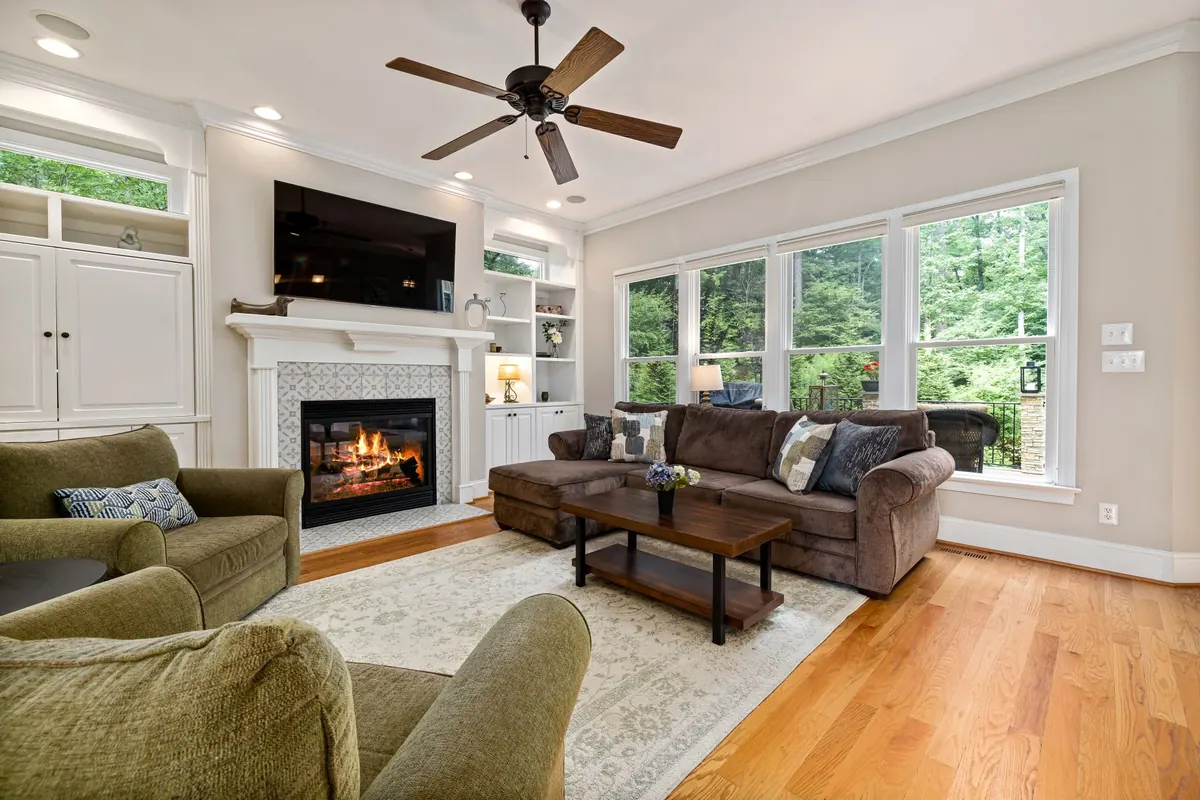
Climate matters too. In a drafty old house with cold floors, carpet can make a small bedroom feel usable in January. In a warm, humid climate, a rug over hard flooring lets you pull up the dampness-prone layer and clean underneath it.Photo: Curtis Adams / Pexels

You Might Also Like
Late-summer wildflowers peak in wet meadows, rail trails and utility corridors near home. Here's how to find them, time your visit and walk them well.
A practical first-timer's guide to day hiking: choosing a trail that fits you, layering for changing weather, and packing a day pack with the right essentials.