Fall Bulb Planting Checklist for Continuous Spring Color
Spring color is decided in autumn. While the garden is winding down and the last tomatoes sulk on the vine, the bulbs going into the ground now are quietly setting the terms of next April. Most gardeners buy a bag of tulips in September, plant them in one enthusiastic afternoon, and then wonder in May why everything opens at once and then stops. The fix isn't more bulbs. It's a plan built around bloom time, planting depth, and a little layering.
Here's a fall checklist for getting tulips, daffodils, and alliums into the soil so something is opening from the first warm week of spring until early summer.
Map Your Spring Before You Dig
Start by deciding which weeks you actually want flowers. Not "spring" — weeks. Sit down with a calendar and sketch three rough windows: the cold, tentative start when the soil is still thawing; the confident middle when everything surges; and the long tail when the trees have leafed out and the garden usually goes green and boring.
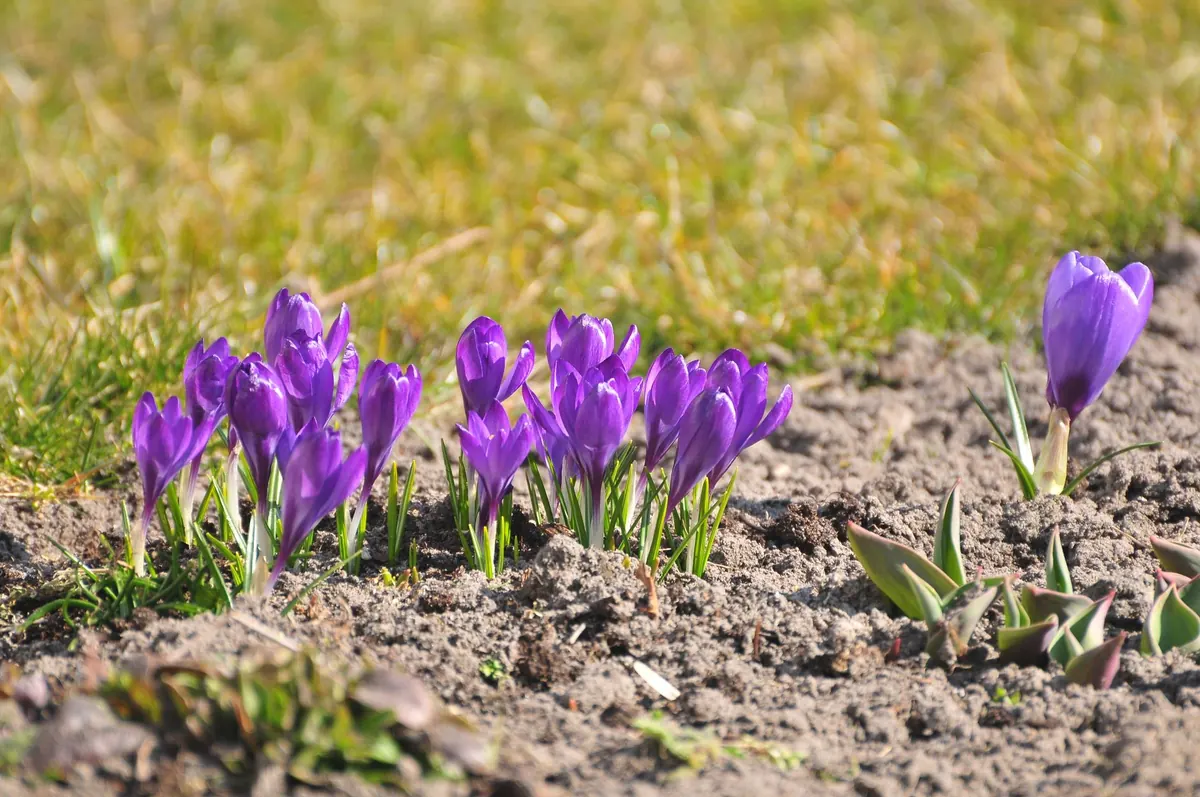
Then assign bulbs to each window. Early belongs to snowdrops, crocus, winter aconite, and small daffodils. The middle is carried by large-cup daffodils, muscari, and mid-season tulips. The tail is where alliums, camassia, late tulips, and fritillarias earn their place. Write the names down. A garden plan that lives only in your head tends to shrink to whatever was on sale.
Build the Sequence With Four Waves
A continuous spring doesn't need dozens of varieties. It needs four waves, each overlapping the next by a week or two so there's never a gap.
- Wave one — the early risers (late winter to early spring): snowdrops, crocus, winter aconite, Anemone blanda, and small daffodils such as 'Tête-à-Tête'. Plant these where you'll walk past them daily, close to a door or path.
- Wave two — the mid-season backbone (early to mid spring): standard daffodils, grape hyacinth, Chionodoxa, and early tulips. This is the wave that carries the garden visually, so give it the most square footage.
- Wave three — the late show (late spring): Darwin and triumph tulips, plus daffodils that flower late, like the white 'Actaea'.
- Wave four — the bridge to summer (late spring into early summer): Allium 'Purple Sensation', Allium cristophii, camassia, and fritillaria. Alliums are especially useful because their spent foliage disappears just as the flower heads take over.
Bulb catalogs list flowering times by week relative to your own climate, which is far more useful than a generic "early" or "late". Use those numbers, and adjust after your first season.
Lasagna Planting, Without the Soggy Bottom
Layering — planting large bulbs deep and small bulbs above them in the same hole — is the fastest way to get density from limited space. It works beautifully in borders and even better in containers.
The rule is simple: biggest bulbs deepest, smallest near the surface, always with a layer of soil between them so they aren't touching. A classic container stack is tulips at the bottom, daffodils in the middle, and crocus or muscari on top. You get three months of bloom from one pot.
Drainage is the part people skip. Bulbs rot in cold, waterlogged soil — that is the single most common reason a fall planting fails. In heavy clay, dig in grit or compost and plant slightly higher than the recommended depth. In containers, use a free-draining mix and make sure the drainage holes are open before you add anything.
The Planting Day Order of Operations
- Check the bulbs. Firm and heavy is good. Soft, mouldy, or crumbling bulbs go in the bin, not the ground.
- Prepare the whole bed first. Fork over the soil, pull weeds, and work in compost. Planting into compacted ground wastes the bulbs' energy.
- Plant in drifts, not rows. Odd-numbered clusters of seven, nine, or fifteen read as natural. Straight lines read as a vegetable plot.
- Water once. A single deep soak settles the soil around the bulbs. After that, autumn rain usually does the work.
- Mulch lightly. Two to three inches of leaf mould or bark moderates soil temperature and keeps weeds down. Keep it off the crowns of any perennials nearby.
- Label or photograph the spot. Come February, you will not remember where the alliums went. A photo on your phone takes five seconds.
Depth, Spacing, and Which End Is Up
Depth matters more than most gardeners expect. The usual guide is to plant a bulb at roughly three times its own height, measured from the base of the bulb to the soil surface.
Depth by type
- Tulips: 6 to 8 inches deep
- Large daffodils: 6 inches; small varieties: 4 to 5 inches
- Alliums: 3 to 4 times the bulb's diameter, usually 4 to 6 inches
- Crocus, muscari, and other small bulbs: 3 to 4 inches
Deep planting keeps bulbs cooler, anchors tall stems, and helps them return the following year. Shallow planting is why so many tulips flop after a windy night.
Spacing and orientation
Space large bulbs about twice their width apart; the tighter you crowd them, the smaller the flowers, though the display looks fuller. Point the flat base down and the pointed tip up. If you genuinely can't tell, plant sideways — most bulbs right themselves.
Mistakes That Break the Sequence
- Buying one variety in bulk. It guarantees a two-week spring.
- Planting too early. Bulbs planted in warm soil may start rooting and then sprout prematurely. Wait until soil temperatures are consistently cool, usually after the first real frost in mild regions.
- Ignoring wildlife. Daffodils and alliums contain compounds deer, squirrels, and voles generally avoid. Tulips are a favourite of all three, so plant them where you can protect them or accept that some will vanish.
- Forgetting tulip chilling. Tulips need a cold dormant period to flower well. In mild-winter climates, pre-chilled bulbs or treating them as annuals is the realistic route.
- Cutting the foliage too soon. After bloom, let leaves yellow for six weeks. That's how the bulb stores energy for next year.
The Two-Minute Fall Checklist
Before the ground freezes, run through this once: bulbs bought and inspected, bed forked and improved, four bloom windows mapped, layers spaced with soil between them, everything watered and mulched, and the planting plan saved somewhere you'll find it in February.
Then leave it alone. The work is genuinely done in October. What you're buying with an afternoon of digging is a spring that starts quietly with crocus at the front step and ends with alliums standing above the young perennials like purple fireworks — and no silent, flowerless weeks in between.
Photo: Jarosław Ponikowski / Pexels

You Might Also Like
Late-summer wildflowers peak in wet meadows, rail trails and utility corridors near home. Here's how to find them, time your visit and walk them well.
A practical first-timer's guide to day hiking: choosing a trail that fits you, layering for changing weather, and packing a day pack with the right essentials.