10 Common Mistakes to Avoid When Growing Herbs in Containers
A pot of basil on a kitchen windowsill should be one of the easiest wins in gardening. Instead, it usually goes like this: the leaves yellow, the stems stretch thin toward the glass, a green film appears on the soil, and by midsummer the whole thing ends up in the bin. The plant was not difficult. It was just living in conditions that quietly worked against it.
Almost everything that kills a potted herb happens below the rim, in the root zone, or in the light reaching the leaves. Get water, drainage, light and pruning roughly right, and a small seedling will keep producing for months. Get them wrong, and no amount of attention to the leaves will save it.
A pot is a small closed world. Whatever you pour in stays in, and whatever cannot drain away sits against the roots.
Mistake 1: Watering by the Calendar
Soil in a 20 cm pot dries out far faster than soil in a garden bed, and the speed changes with temperature, pot size, plant size and the amount of root in the mix. A schedule that worked in May will drown your plants in October. Check the soil instead of the date.
Push a finger into the mix up to the second knuckle. If it feels damp, wait a day and check again. If it feels dry, water slowly until it runs out of the drainage holes, then stop. The other reliable test is weight: lift the pot before and after watering a few times and you will quickly learn what a thirsty pot feels like.
Overwatering and underwatering look alike
Both produce drooping, yellowing leaves, which is why so many people respond to root rot by adding more water. The difference is in the details. An underwatered pot feels light, the leaf edges go crisp, and the whole plant wilts at once. An overwatered pot stays heavy and damp, may smell sour, and yellows from the bottom up while the leaves stay soft. If the soil is wet and the plant still droops, the problem is the roots, not the water supply.
Mistake 2: Pots With No Way Out
Roots need oxygen as much as they need moisture, and standing water pushes air out of the mix. A pot without drainage holes, a decorative cachepot that collects runoff, or a saucer left full for days will slowly suffocate a healthy herb.
If you love a ceramic pot that has no hole, treat it as a sleeve. Keep the plant in a plain inner pot, lift it out to water, let it drain in the sink, then put it back. Empty saucers within half an hour of watering. And skip the layer of gravel at the bottom: it does not improve drainage, it just raises the saturated zone closer to the roots.
Mistake 3: Garden Soil or Tired Old Mix
Soil dug from the border turns into something close to concrete in a pot. It lacks the perlite, bark or coir that keeps a potting mix open and airy, so it compacts, holds water and starves the roots. Use a fresh, free-draining potting mix, and add a handful of perlite if the bag looks dense.
Last year's mix is a smaller problem but still worth attention. It has lost structure, its nutrients are spent, and it may carry pests or disease from the previous plant. Tip it out, break it up, and blend it half and half with fresh mix for a second season. Also resist the urge to plant one seedling in a huge pot: a large volume of wet soil with few roots to drink it is the fastest route to rot.
Mistake 4: Assuming a Windowsill Is Enough Light
Most culinary herbs want six or more hours of direct sun. Basil, rosemary, thyme, oregano and sage fall into that group. Mint, parsley, chives and coriander manage with less, which makes them the sensible choices for a weaker spot.
A south-facing window is the best real estate in the house, but even a good window loses intensity in winter, and glass plus the low sun angle cut the light further. The warning sign is stretched growth: long gaps between pairs of leaves and pale, leaning stems. Turn pots a quarter turn every few days so they grow evenly rather than pressed against the glass. If your only window faces north, either choose the forgiving herbs or add a small grow light positioned above the plants and left on for twelve to fourteen hours a day.
Mistake 5: Never Pruning, or Pruning Too Hard
Herbs are meant to be harvested, and harvesting is pruning. Left alone, basil throws up a single stem, sets a flower spike and stops making leaves. Pinch out the top pair of leaves just above a leaf node and the plant splits into two branches; repeat every week or two and you get a bushy, generous plant.
Never take more than a third of the foliage at once. With woody herbs such as rosemary and thyme, snip only the soft green tips and stay out of the old, barky stems, which often do not regrow. Pinch off flower buds on basil and mint as soon as they form to keep the leaves tender and full of flavour.
Mistake 6: Crowding Too Much Into One Pot
Those supermarket seedling pots arrive with six plants pressed together, and planting the whole clump is the most common early mistake. Roots then compete for every drop of water and every nutrient, airflow drops around the stems, and mildew moves in. Plant one or two per pot and give the rest away.
Match the pot to the plant. Basil, mint and rosemary want something in the 20 to 25 cm range. Thyme, oregano and chives prefer a wider, shallower container. Mint deserves its own pot entirely, since it spreads aggressively and will crowd out anything sharing its space.
Mistake 7: Feeding Too Much, or Not at All
Leafy herbs want modest nitrogen, not a banquet. Overfeed basil and you get lush, flavourless growth that aphids find irresistible. Fresh potting mix usually carries enough nutrition for the first month or two. After that, a diluted liquid feed at half the label strength every fortnight is plenty. Slow-release granules once a season do the same job with less fuss.
Mediterranean herbs are the exception. Rosemary, thyme and oregano evolved in lean, gritty ground and prefer a sparse diet, so feed them lightly once, if at all. Never fertilise a dry or wilting plant; water it first and feed a day or two later.
A Weekly Routine That Keeps Pots Alive
Most container problems announce themselves early. Ten minutes a week is enough to catch them.
- Lift each pot and check the weight, then test the soil with a finger before watering.
- Empty saucers and check that drainage holes are clear of compacted mix and roots.
- Turn pots a quarter turn and look for stretched, pale growth.
- Pinch out the top leaves of basil and mint, and remove any flower buds.
- Strip yellowing lower leaves so air can move around the stems.
- Check the undersides of leaves for pests, and rinse them off with a firm spray of water.
Do those six things and you will rarely need to diagnose anything more serious. When a plant does struggle, look at the soil and the light before you touch the leaves, because that is usually where the answer is.
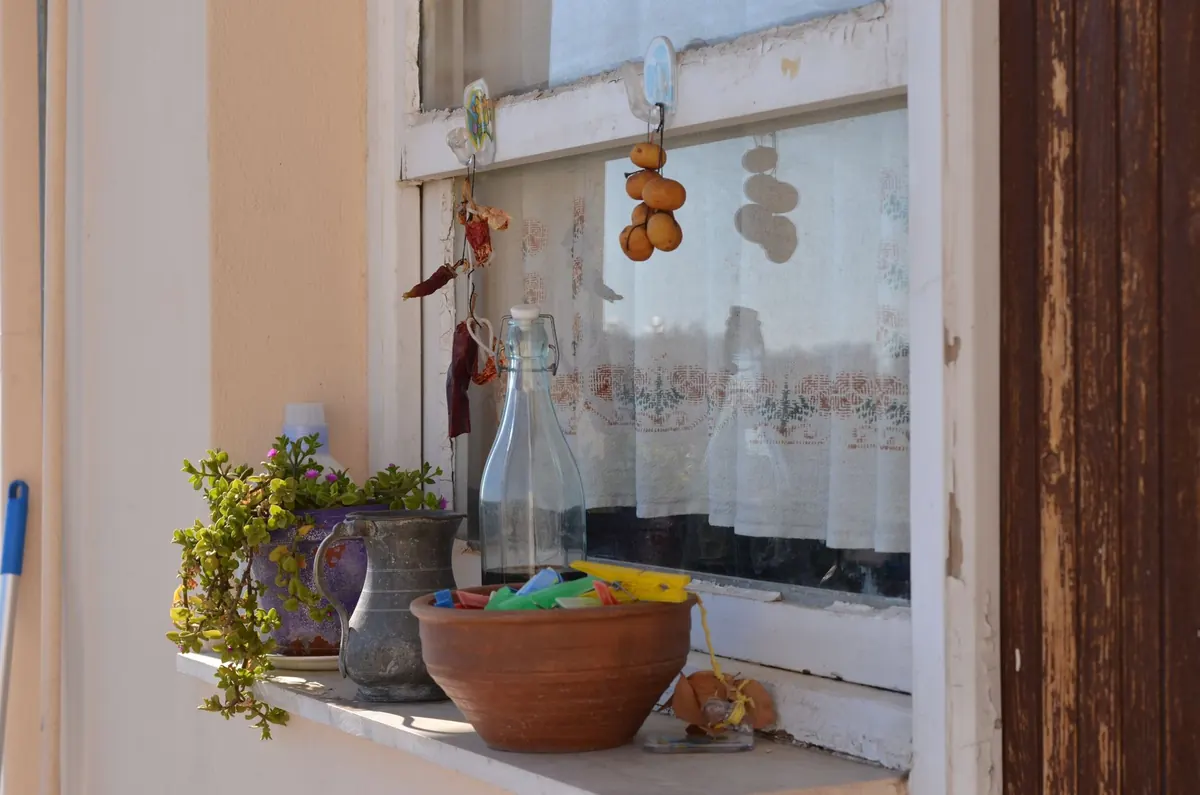
Photo: Julia Sakelli / Pexels
You Might Also Like
Late-summer wildflowers peak in wet meadows, rail trails and utility corridors near home. Here's how to find them, time your visit and walk them well.
A practical first-timer's guide to day hiking: choosing a trail that fits you, layering for changing weather, and packing a day pack with the right essentials.