How to Start a No-Dig Vegetable Garden in a Small Backyard
A no-dig vegetable bed starts with one simple swap: instead of turning over the turf, you smother it. Cardboard goes down, compost goes on top, and within a season you have soil dark enough to push your fingers into. No tiller rental. No stripped lawn and a pile of dead sod in the corner. No aching back on Sunday afternoon.
It suits small yards because you only build where you actually intend to grow. The rest of the grass stays grass, and you can add a second bed later once you know what your household really eats.
Pick a spot you can reach across
Before you order compost, walk the yard at three different times of day. You are looking for sun, drainage, and a hose that reaches without dragging across the patio furniture.
- Sun: six to eight hours for tomatoes, peppers, cucumbers and squash. Leafy greens and herbs will manage on four to five.
- Water: a bed within reach of a tap beats a sunnier one at the far end of the property. You will water more consistently, and consistency is most of the battle.
- Ground: avoid the low spot where puddles sit after rain. A slight slope is fine.
- Size: keep beds four feet wide at most so you can reach the middle from either side. Eight to ten feet long is plenty to start. Leave paths of at least eighteen inches, wider if you plan to push a wheelbarrow through.
Mark the outline with a hose, some string, or a light sprinkle of flour. Live with it for a day. If it looks cramped, shrink it. A small bed that gets planted beats a big one that becomes a weed patch by July.
Smother the grass instead of digging it out
The technique is old, cheap and forgiving. You are doing three things at once: blocking light from the grass below, feeding the soil life that will do the digging for you, and creating an instant planting medium on top.
- Mow the area as short as your mower allows and leave the clippings where they fall.
- Cover the ground with plain corrugated cardboard, overlapping the edges by six to eight inches so nothing peeks through. Remove tape, staples and glossy labels.
- Soak the cardboard until it is saturated. Dry cardboard wicks moisture out of the compost above it.
- Spread four to six inches of finished compost over the top, right out to the edges.
- Optional but worth it: two inches of straw or shredded leaves on the paths. It keeps mud off your shoes and slows weeds at the border.
Two honest caveats. Cardboard will not kill deep-rooted perennials such as bindweed, ground ivy or Bermuda grass — dig those out by hand first or you will be pulling them for years. And in a windy spot, weigh the cardboard down with a few buckets until the compost goes on.
Compost does the heavy lifting
This is the part people skimp on, and it decides whether the bed works. You are not filling a frame with whatever is cheapest; you are laying down a growing medium with structure, moisture-holding capacity and microbial life.
Bagged compost is fine, and so is your own if you have a bin going. Fresh manure is not — it can burn young roots and should be composted first. Avoid anything labelled "topsoil" as your main layer; it is usually heavier and may carry weed seed. Building a wooden frame around the bed later is a separate decision, not a requirement.
Good compost smells like a forest floor after rain. If it smells sour or of ammonia, let it sit and turn it before you plant into it.
Each autumn, add another inch on top. That is the whole maintenance programme. Worms and fungi move it down for you.
Plant right away, and plant closely
You can sow or transplant the same day you finish the bed. The compost layer is deep enough for most vegetable roots in the first season, though fruiting crops appreciate a small pocket of extra compost around their roots.
Start with things that are hard to fail at:
- Radishes and lettuce — ready in weeks, perfect for filling gaps.
- Kale and Swiss chard — cut and come again for months.
- Bush beans — direct sown, no fuss, and they feed the soil as they grow.
- Zucchini — two plants will bury you in fruit, so do not plant four.
- Cherry tomatoes and basil — buy transplants rather than starting seed if this is your first year.
Space plants a little closer than the seed packet suggests if your compost is rich, but not so close that leaves stay wet overnight. Air moving between plants is what keeps disease away.
Water deeply, then mostly leave it alone
New beds dry out faster than established ground. Water thoroughly once or twice a week rather than sprinkling daily, and poke a finger two inches into the compost before you reach for the hose. Once the plants shade the soil and the mulch settles, you will water less than you expect.
Do not walk on the bed. That single rule is what separates no-dig from the messy alternative, because compaction undoes the structure you just built.
At the end of each crop, cut the plants off at soil level and leave the roots in the ground. They decay into channels for air and water. Anything healthy can go back on top as mulch; anything diseased should leave the garden entirely.
Small problems, easy fixes
Expect slugs under the cardboard edges for the first few weeks. Expect a few weeds pushing through anywhere the overlap was thin. Both are quick fixes rather than signs of failure: press the cardboard back down, add another inch of compost, and carry on. If a bed looks tired and pale by late summer, a thin layer of compost and a sowing of clover or field beans will put it right over winter.
Start with one bed this spring
Choose a sunny patch roughly the size of a dining table, lay cardboard, heap compost on top, and plant something you actually like eating. That is the entire method. The bed gets easier every season: by the second or third year the soil underneath has darkened and softened, the cardboard is long gone, and you are planting into ground that behaves like a raised bed.
Add a second patch next year if you want one. There is no rush, and the soil is not going anywhere.
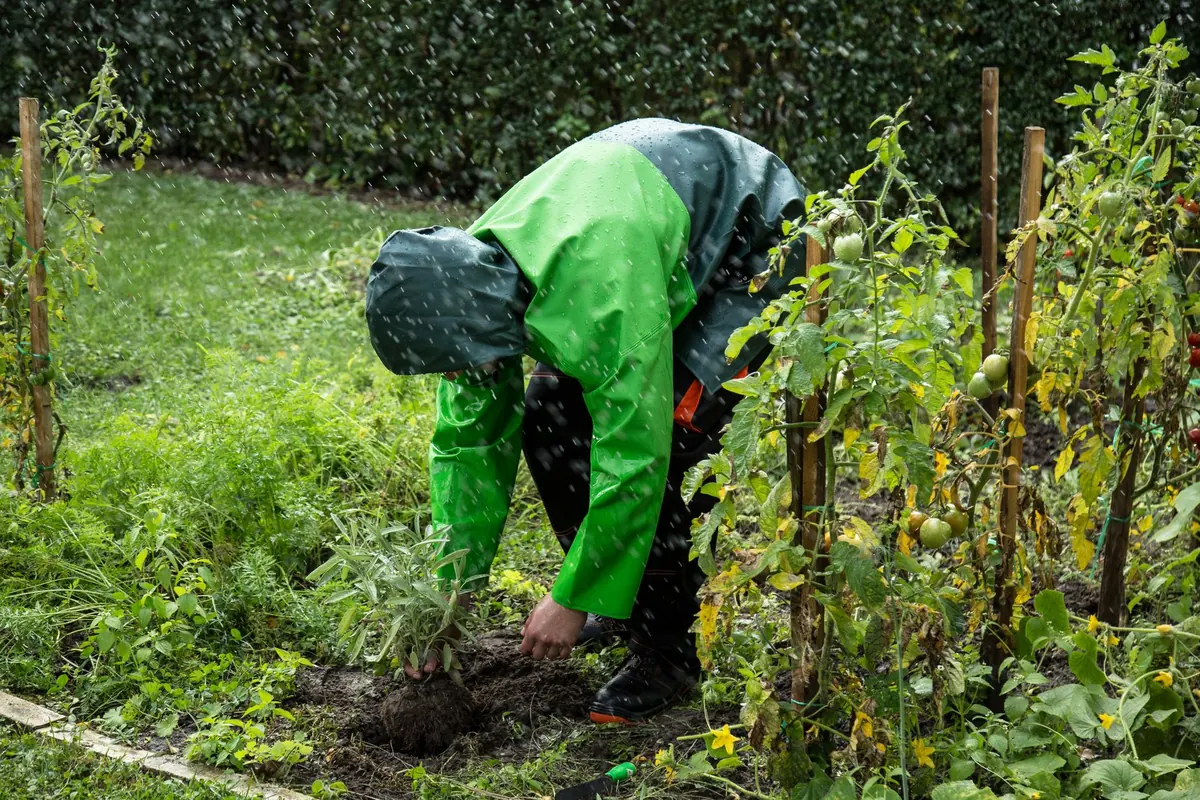
Photo: Marianna Zuzanna / Pexels
You Might Also Like
Late-summer wildflowers peak in wet meadows, rail trails and utility corridors near home. Here's how to find them, time your visit and walk them well.
A practical first-timer's guide to day hiking: choosing a trail that fits you, layering for changing weather, and packing a day pack with the right essentials.